Germany & EU Compliance Food Safety for Food & Beverage
Germany & EU Compliance
for Food & Beverage:
Your Complete Certification Roadmap
QM and Food Safety
Entering the German and European food market requires navigating one of the world’s most comprehensive regulatory frameworks. From LMIV labeling requirements to IFS/BRC certification, HACCP implementation, and Novel Food assessments—compliance is not optional, it’s foundational.
EU food regulations are among the world’s strictest, but they serve a critical purpose: protecting consumers, ensuring fair competition, and maintaining high quality standards across 27 member states.
For international producers, EU compliance delivers three strategic advantages. We guide international food and beverage producers through every compliance requirement with 30 years of specialized experience, ensuring your products meet German and EU standards before you invest in market entry.
Market Access: Without proper certifications (HACCP, IFS/BRC), you cannot approach REWE, EDEKA, Aldi, Lidl, Carrefour, Tesco, or any major European retailer. These retailers require verified compliance before scheduling buyer meetings. Non-compliance means automatic rejection—regardless of product quality or brand strength.
Risk Mitigation: EU member states conduct rigorous border checks, laboratory testing, and market surveillance. Non-compliant products face customs rejection, product recalls, fines up to €50,000+, and import bans. The cost of non-compliance far exceeds the investment in proper certification.
Competitive Advantage: Certification signals quality, professionalism, and commitment to European standards. Retailers prioritize certified suppliers. Consumers trust certified products. Distributors prefer certified brands. Compliance transforms from regulatory burden to market differentiator.
The Reality: 88% of failed market entry attempts stem from compliance issues—inadequate certifications, incorrect labeling, Novel Food misunderstandings, or insufficient food safety systems. Our compliance roadmap eliminates these risks before you invest in European expansion.

Our EU Compliance Services:
From Assessment to Certification
1. Regulatory Gap Analysis & Compliance Assessment
What we evaluate:
Product Formulation Review:
- Ingredient approval status (EU vs. FDA, FSA, or home market regulations)
- Additive and preservative restrictions (many US/UK ingredients banned or restricted in EU)
- Contaminant limits (pesticides, heavy metals, mycotoxins—EU limits often stricter than other markets)
- Novel Food assessment (was this food consumed in EU before May 1997?)
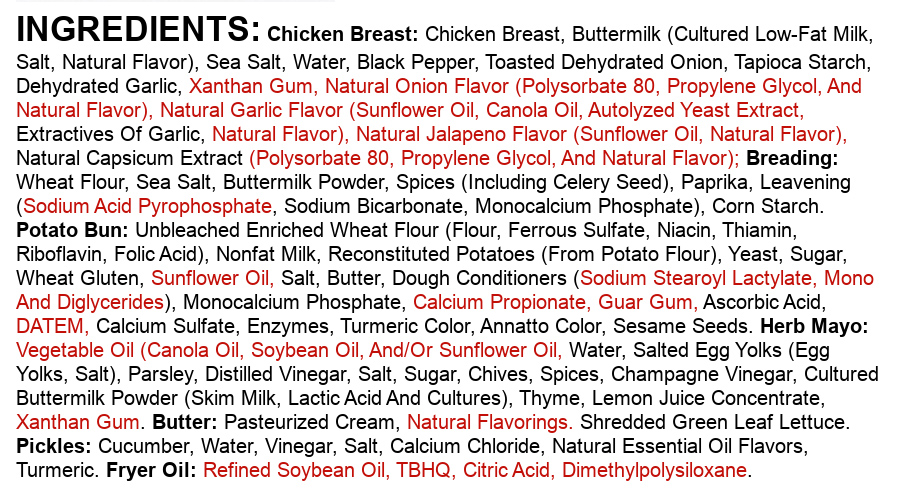
- Allergen presence (EU requires declaration of 14 major allergens)
Labeling Compliance Check:
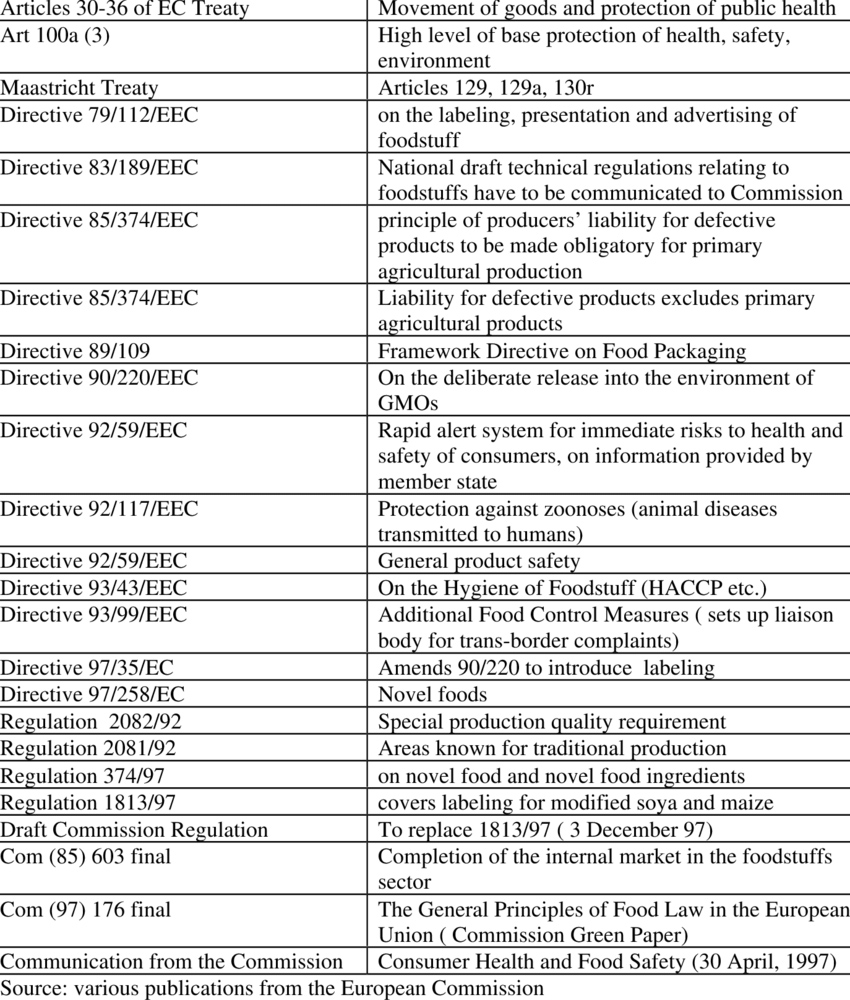
- LMIV (Food Information to Consumers Regulation EU 1169/2011) compliance
- Mandatory elements: ingredient list, allergen highlights, net quantity, storage conditions, origin marking
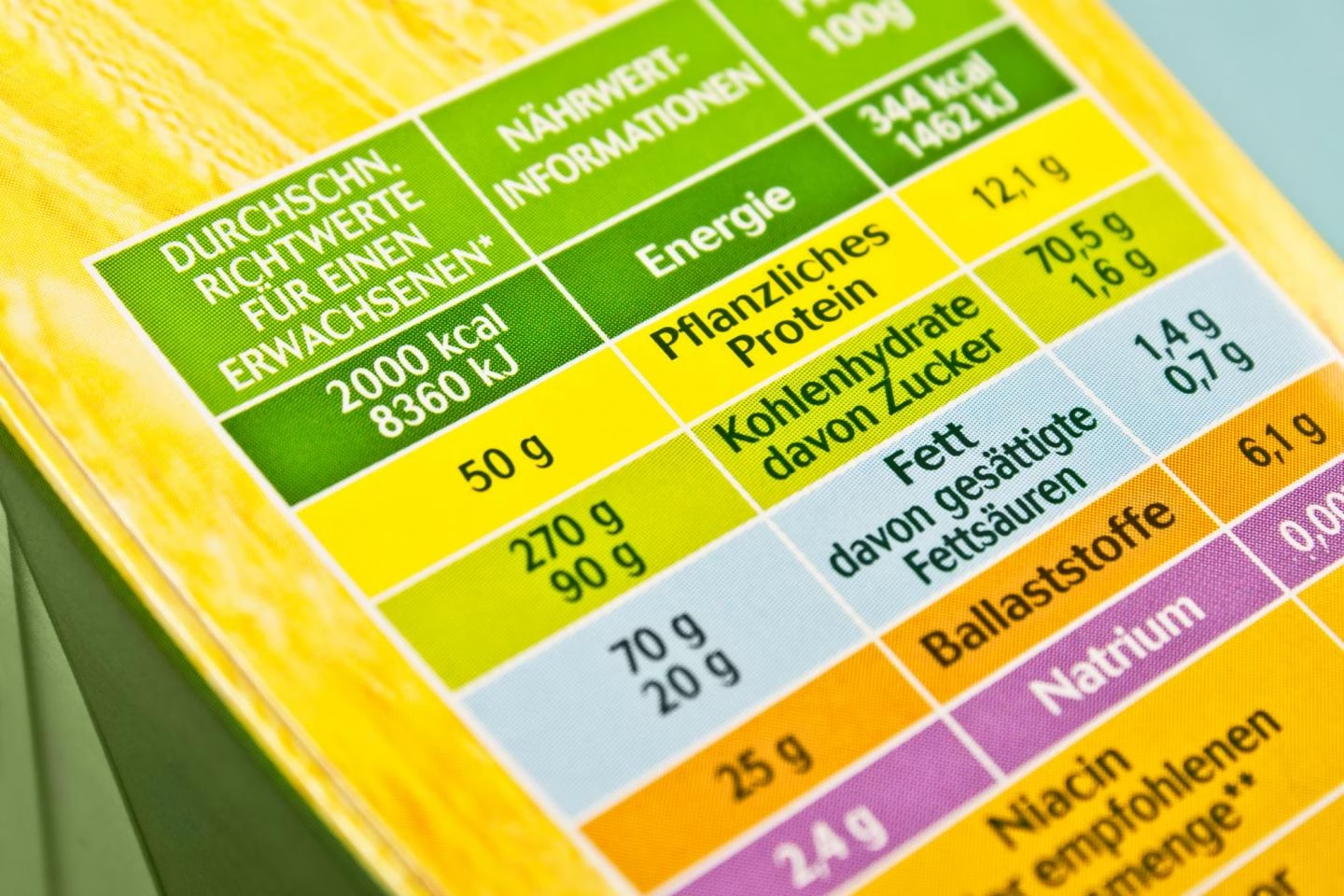
- Nutritional information formatting (per 100g/100ml, not per serving)
- Health claims legality (EU maintains approved claims list—unauthorized claims trigger rejection)
- Font size requirements (minimum 1.2mm x-height)
- Country-specific requirements (Nutri-Score for France/Germany, Traffic Light Labeling for UK)
Food Safety Management:
- Existing HACCP system assessment (US HACCP ≠ EU HACCP in documentation rigor)
- IFS/BRC readiness evaluation (critical control points, traceability, prerequisite programs)
- Supplier approval status (do your ingredient suppliers meet EU standards?)
- Traceability systems (one-step-back, one-step-forward documentation)
Deliverable: Comprehensive gap analysis report identifying compliance deficiencies, required certifications, estimated timeline (typically 3-6 months), and investment breakdown (€8,000-€25,000 depending on current status and product complexity).
Core Compliance Requirements:
LMIV, HACCP, IFS/BRC & Novel Food
Germany & EU Compliance Food Safety for Food & Beverage
Country-Specific Compliance:
Beyond EU-wide regulations, specific countries have additional requirements
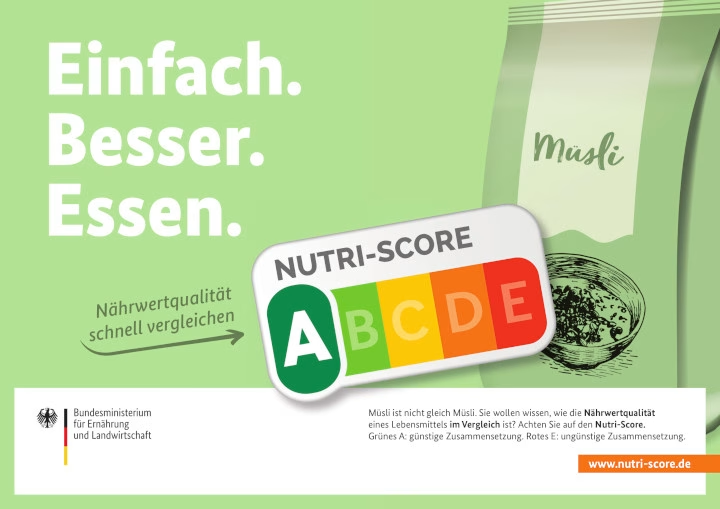
Nutri-Score (France, Germany, Belgium, Netherlands, Spain, Luxembourg):
- Front-of-pack nutrition label (A-E scale, green to red)
- Algorithm-based score: energy, sugar, saturated fat, sodium (negative) vs. fiber, protein, fruit/veg/nut content (positive)
- Technically “voluntary” but effectively mandatory: French retailers de-list products without Nutri-Score; German retailers strongly prefer it
- Products scoring D or E face shelf space restrictions
- Our service: Nutri-Score calculation, recipe optimization to improve score (reformulation strategies), packaging design integration (€800-€2,500)
Traffic Light Labeling (UK post-Brexit):
- Red/amber/green indicators for fat, saturated fat, sugars, salt per 100g
- Calculations differ from Nutri-Score (separate algorithm)
- Required by UK retailers (Tesco, Sainsbury’s, Asda mandate it)
- Our service: Traffic Light calculation, UK-specific packaging design (€800-€2,000)
V-Label (Vegan/Vegetarian Certification, EU-wide):
- Issued by European Vegetarian Union
- Required by many retailers for plant-based/vegan products (Bio Company, Alnatura in Germany; some Albert Heijn categories in Netherlands)
- Verification: ingredient review, production process audit (cross-contamination checks)
- Cost: €500-€2,000 annually depending on company turnover
- Timeline: 4-8 weeks for certification
- Our service: V-Label application preparation, audit support, ingredient verification (€1,500-€3,000)
Halal Certification (Optional but Growing):
- Not EU-mandated but important for Muslim consumers (5.5M in Germany, 5.7M in France, 3.9M in UK)
- Multiple certifying bodies (GIMDES in Germany, AVS in France, HFA in UK)
- Requirements: no pork, no alcohol, halal slaughter for meat, separate production lines or thorough cleaning
- Cost: €800-€3,000 annually depending on certifier and product range
- Our service: Halal certification roadmap, certifier selection, audit preparation (€2,000-€5,000)


How may we support you?
Choose your preferred contact method — we look forward to the conversation.
* Digital Telephone Assistant
If our consultants are not available to take your call in person, an english-speaking digital AI assistant will take your enquiry and respond in natural language, so we can get back to you promptly.
Follow us on LinkedIn

FOOD AND WINE CULTURE Consulting | Part of CLATU Group
30+ years | 500+ projects | Germany, France, UK, Netherlands, Spain
www.clatu.com | www.foodandwineculture.com
FAQ | Germany & EU Compliance Food Safety for Food & Beverage
1. Why should we choose CLATU for Germany & EU Compliance Food Safety for Food & Beverage?
We’ve guided 500+ food and beverage companies through EU compliance since 1995. We’ve seen regulations evolve (LMIV introduced 2011, Novel Food updated 2015, EUDR implemented 2024) and maintained continuous expertise through every change.
Food-Specific Specialization:
Unlike generic compliance consultants, we work exclusively with food and beverage companies. We understand:
- Category-specific regulations (meat vs. dairy vs. plant-based vs. supplements—each has unique rules)
- Retailer expectations beyond legal minimums (what REWE demands vs. what Aldi demands vs. what Carrefour demands)
- Practical production challenges (how to achieve IFS compliance in shared facilities, allergen management in multi-product lines, traceability for complex ingredient sourcing)
Certification Body Relationships:
We work regularly with DQS, SGS, TÜV, Bureau Veritas, and other accredited certification bodies. This means:
- Faster audit scheduling (3-4 weeks vs. 3-4 months industry average)
- Auditor familiarity with our documentation quality (streamlined audits, fewer questions, higher pass rates)
- Inside knowledge of auditor expectations (we know what they scrutinize, how they interpret standards)
Success Metrics:
- 94% first-audit pass rate for IFS/BRC (vs. 67% industry average)
- 100% success rate on LMIV labeling reviews (zero recalls or rejections due to labeling in 30 years)
- Average time savings: 4-6 months vs. companies navigating compliance independently
Transparent Pricing:
Compliance costs are predictable when managed correctly. We provide upfront pricing:
- Regulatory gap analysis: €1,500-€3,000
- LMIV labeling review: €1,500-€4,000
- HACCP system development: €3,000-€8,000
- IFS/BRC certification support: €8,000-€15,000
- Novel Food pre-assessment: €2,500-€5,000
- EUDR compliance system: €5,000-€15,000
No hidden fees. No scope creep. Fixed-price project quotes.
2. What is a realistic timeline for complete EU compliance (starting from zero certifications)?
Month 1-2: Assessment & Planning
- Regulatory gap analysis
- Product formulation review (Novel Food check, ingredient approval status)
- LMIV labeling audit
- Compliance roadmap development
- Investment and timeline finalization
Month 3-4: HACCP Development
- Hazard analysis and CCP determination
- HACCP plan documentation
- Staff training (production managers, QA team, line supervisors)
- Mock HACCP audit
Month 5-6: IFS/BRC Preparation Part 1
- Missing documentation creation (policies, SOPs, work instructions, forms)
- Internal audit training and execution
- Supplier approval program setup
- Traceability system testing
Month 7-8: IFS/BRC Preparation Part 2
- Corrective actions from internal audits
- Pre-audit facility inspection and improvement
- Staff interview preparation
- Mock IFS/BRC audit (simulated certification audit)
Month 9: Certification Audits
- HACCP certification audit (if separate from IFS/BRC)
- IFS or BRC certification audit (1-2 day on-site audit)
- Non-conformity response (if any)
Month 10-11: Labeling Finalization & Packaging
- LMIV-compliant label design
- Nutri-Score / Traffic Light calculation and integration
- Packaging artwork approval
- Printing and delivery of new packaging
Month 12: Market Ready
- All certifications complete (HACCP, IFS/BRC, EU Organic if applicable, V-Label if applicable)
- LMIV-compliant packaging in production
- EUDR Due Diligence System operational (if applicable)
- Ready for distributor/retailer presentations
Fast-Track Option (8-9 months):
Possible if:
- You already have robust HACCP system (needs only EU-specific documentation upgrades)
- Simple product line (1-3 SKUs, low allergen risk, ambient-stable)
- Dedicated internal resources (QA manager available full-time for project)
- Expedited certification body scheduling (premium fees apply)
Our role: We compress timeline through parallel workstreams (HACCP and labeling simultaneously, not sequentially) and our certification body relationships (faster audit scheduling).
3. Can we start selling in EU while working toward full certification?
Short answer: No for retail, limited yes for e-commerce.
Retail (REWE, EDEKA, Carrefour, Tesco, etc.): Absolutely not. Retailers require IFS/BRC certification BEFORE buyer meetings. No exceptions for new suppliers. Even if buyer loves your product at a trade show, they cannot proceed without certification proof.
E-commerce (Amazon FBA, specialty e-tailers):
- Amazon FBA Germany: Requires business registration and VAT, but NOT IFS/BRC certification. HACCP and LMIV-compliant labeling sufficient.
- Strategy: Launch on Amazon while pursuing IFS/BRC. Use Amazon sales data in eventual retail pitches (“We sold 5,000 units on Amazon in 6 months with 4.5-star rating” = compelling proof of demand).
Foodservice (restaurants, hotels, catering):
- Some foodservice accepts HACCP alone (IFS/BRC not universally required).
- Useful test market while working toward retail certification.
Our recommendation: If budget-constrained or timeline-sensitive, launch on Amazon FBA Germany (€10,000-€25,000 investment) while simultaneously pursuing IFS/BRC (9-month parallel process). This generates early revenue and market feedback.
4. Do we need separate compliance for each EU country?
Good news: Mostly no. EU harmonization means one compliance approach covers 27 member states.
What’s EU-wide (one certification covers all):
- HACCP (recognized across EU)
- IFS Food (accepted by retailers in all EU countries + UK)
- BRC (accepted by UK retailers, most EU retailers accept as IFS equivalent)
- LMIV labeling (fundamental requirements same across EU)
- EU Organic certification (valid in all 27 member states)
What’s country-specific (requires adaptation):
- Language: Labels must be in language(s) of country where sold. Multi-language labels common (German + French + Dutch on single label for Benelux + Germany).
- Nutri-Score: Calculation same across implementing countries (France, Germany, Belgium, Netherlands, Spain) but must be added to packaging.
- Traffic Light Labeling: UK-only (post-Brexit, separate system).
- Specific national requirements: Germany requires deposit logo for certain beverage containers; France has specific wine labeling rules beyond EU baseline.
Strategy: Start with Germany. German compliance satisfies 90% of EU requirements. Country-specific additions (Nutri-Score, language variants) are incremental, not fundamental redesigns.
Cost implication: First market (Germany) = €15,000-€40,000 compliance investment. Second market (France) = €3,000-€8,000 incremental (mainly packaging language/Nutri-Score). Third market (UK) = €5,000-€12,000 (separate BRC if needed, Traffic Light Labeling).
5. What happens if we’re found non-compliant after launching?
Consequences depend on severity and which authority discovers non-compliance:
Border Rejection (Customs/BIP – Border Inspection Post):
- Product detained at border, import refused
- You pay storage fees while resolving (~€50-€200/day)
- Options: Re-export product (lose shipping costs) or destroy product (total loss)
- Future shipments flagged for increased inspection (slows clearance, raises costs)
Market Surveillance (National Food Authorities):
- Warning letter for minor violations (e.g., font size slightly below 1.2mm)
- Corrective action required (submit evidence of packaging correction)
- Product recall for major violations (e.g., undeclared allergen, unauthorized health claim, Novel Food sold without authorization)
- Fines: €5,000-€50,000+ depending on violation severity and member state
Retailer Audit Failure:
- Retailer conducts supplier audit (common 6-12 months after listing)
- Non-conformities found = corrective action deadline (30-90 days typical)
- Failure to correct = de-listing (product removed from shelves)
- Severe violations (food safety issues) = immediate de-listing + potential compensation claims from retailer
Consumer Complaints / NGO Scrutiny:
- Foodwatch (German consumer advocacy NGO) actively tests products and publicizes violations
- Media attention damages brand reputation (often worse than financial penalties)
- Social media amplification (one violation becomes international news in hours)
Prevention is 100x cheaper than remediation. Our compliance approach ensures you launch compliant, avoiding these scenarios entirely.
